






Key Takeaways
- Document lighting and background specifications so future headshots match earlier sessions.
- Set clear attire and grooming guidelines to prevent visual inconsistencies across profiles.
- Plan on-location logistics to photograph large teams efficiently without sacrificing quality.
Introduction
Clients often meet a company for the first time through its website or proposal deck. Team photos usually appear alongside leadership bios, service descriptions, or pitch materials. When headshots differ in lighting, background, or styling, the mismatch becomes visible immediately. One image may look formal and controlled, while another feels casual or improvised. This inconsistency does not reflect individual effort; it reflects planning gaps. A corporate photoshoot works best when the company treats it as a repeatable system rather than a one-day activity. In Singapore, where teams grow quickly and roles change often, planning corporate headshots with consistency in mind prevents visual drift as the organisation expands.
1. Defining the Visual Baseline
Consistency starts with technical decisions. A photographer can reproduce results only when the original setup is documented clearly. This documentation functions as a reference point for every future shoot.
Background choice needs precision. Many companies choose neutral tones such as grey or white, but colour names alone are not enough. Teams should record the exact backdrop material or colour reference used during the shoot. This prevents slight tonal shifts that become noticeable when images sit side by side.
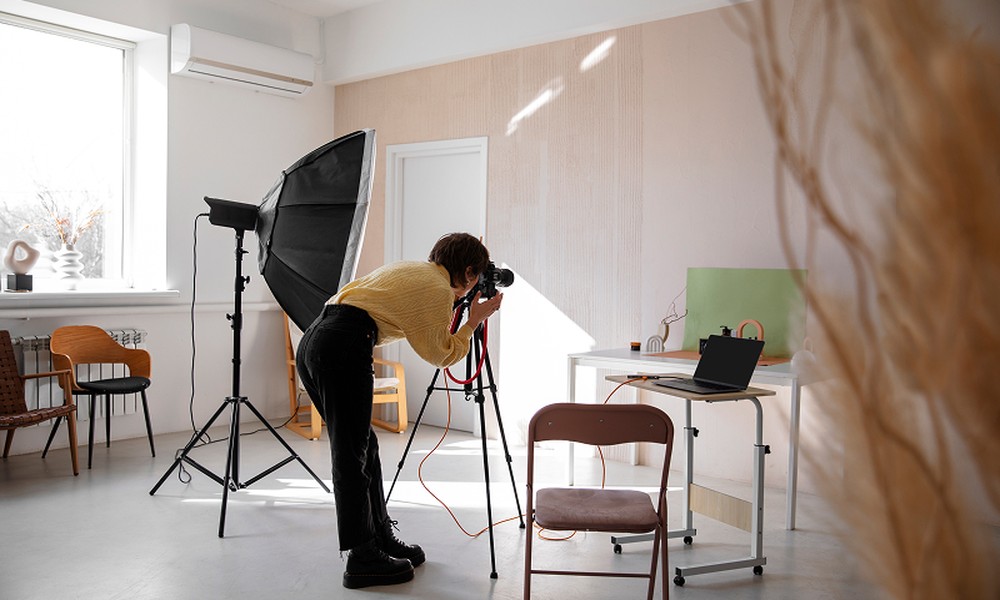
Lighting setup requires equal attention. The placement of key and fill lights affects skin tone, shadow depth, and contrast. Recording light height, distance from the subject, and modifier type allows another session to recreate the same look months later. Without this record, new headshots tend to look sharper, darker, or flatter than earlier ones, even when taken by the same photographer.
2. Setting Clear Attire and Grooming Rules
Visual consistency often breaks down because people arrive dressed according to personal preference. One employee may wear a blazer, another a polo shirt, and another a patterned dress. These differences become amplified when photos appear together.
A short style guide solves this issue. The guide should specify acceptable colours, levels of formality, and accessories. For example, it can state whether jackets are required, whether ties are optional, and whether bold patterns should be avoided. Clear instructions reduce last-minute uncertainty and prevent awkward reshoots.
Grooming also affects consistency. Office lighting exaggerates shine and uneven skin tones. Many providers offering corporate headshots in Singapore include basic touch-up services on-site. This step ensures each person appears polished under studio lighting without changing their natural appearance. It also reduces editing time later.
3. Designing the On-Site Shooting Flow
Corporate shoots often take place during working hours. Poor scheduling leads to delays, rushed sessions, and uneven results. A structured flow keeps the process efficient and predictable.
Time-slot scheduling works best. Assigning each participant a fixed window prevents long queues and keeps the photographer focused. A short session length encourages decisiveness while still allowing time for adjustments.
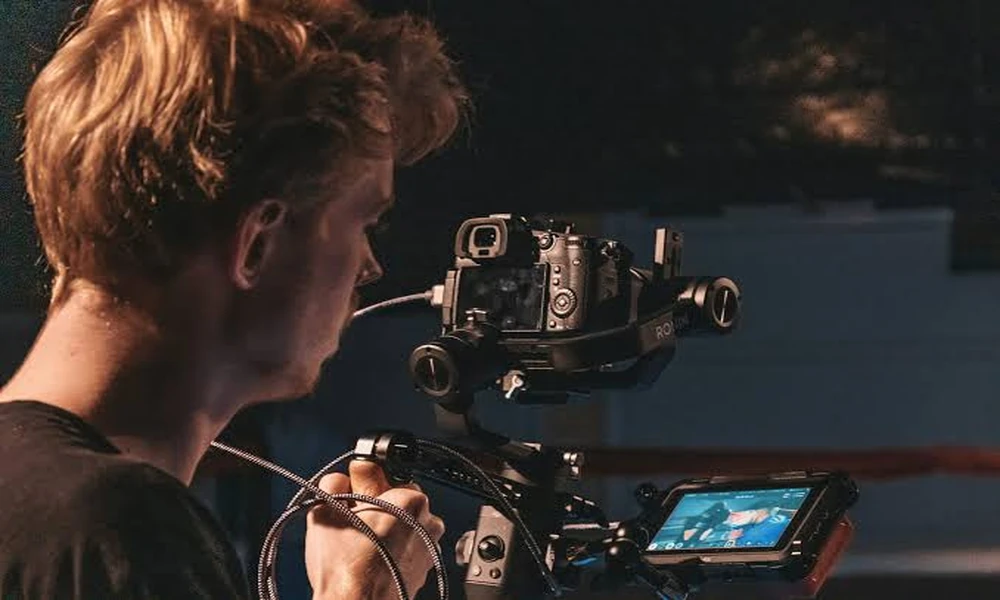
Tethered shooting improves outcomes. When images appear instantly on a monitor, employees can confirm posture, expression, and framing immediately. This reduces follow-up requests and ensures approvals happen on the spot. It also helps the photographer maintain consistency by comparing new shots against previous ones during the session.
4. Preparing for Future Team Changes
Consistency matters most after the initial shoot ends. New hires, promotions, and leadership changes introduce fresh headshots into existing materials. Without preparation, these additions stand out.
A visual reference file solves this problem. The file should include sample images, lighting diagrams, camera settings, and posing notes. This reference allows future sessions to match earlier results closely, even if a different photographer handles the shoot.
Companies that maintain this reference avoid the gradual visual shift that often appears over time. Their team pages continue to look unified, even when images were taken months apart. The result feels intentional rather than patched together.
Conclusion
Corporate headshots function as part of a company’s visual system. Each image contributes to how the organisation presents itself to clients, partners, and potential hires. When teams plan a corporate photoshoot with documentation, clear guidelines, and efficient logistics, the results remain consistent long after the shoot ends. In Singapore’s corporate environment, where teams evolve quickly, this preparation prevents visual inconsistency from undermining credibility. A well-planned corporate headshot strategy keeps every profile aligned, regardless of when or where the photo was taken.
Contact Vivid Snaps to plan a corporate photoshoot that keeps your headshots consistent as your team grows.