




Television used to revolve around schedules. People planned evenings around weekly episodes, waited through commercial breaks, and adjusted routines to avoid missing live broadcasts. Entertainment was tied to timing, and viewers had little control over when or how content was consumed.
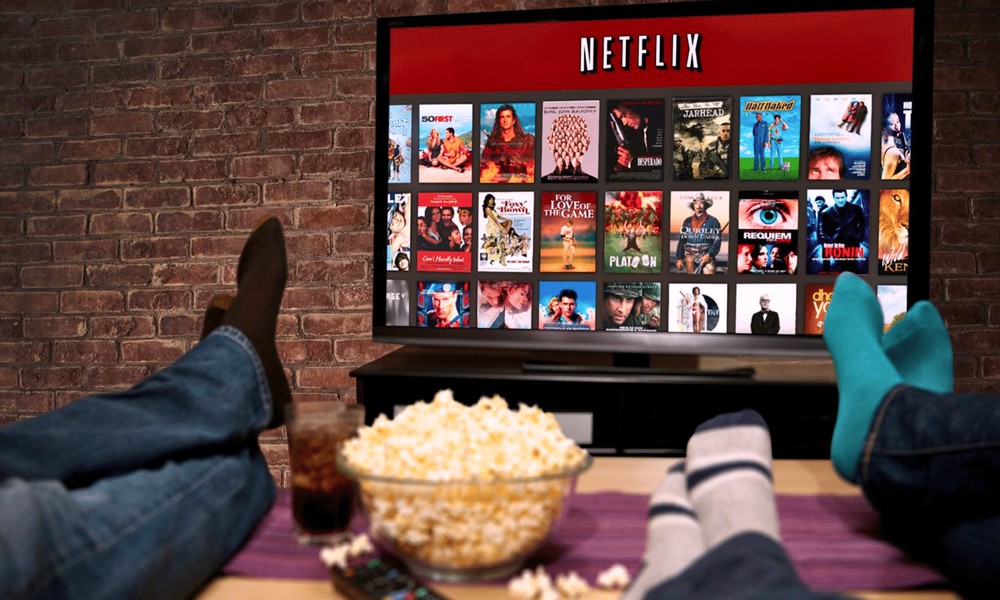
That structure has changed dramatically over the last decade. Streaming services introduced a viewing culture built around flexibility, instant access, and personal choice. Watching television no longer feels like following a schedule created by broadcasters. It feels individualized.
Viewers No Longer Wait for Scheduled Programming
One of the biggest shifts caused by streaming platforms is the disappearance of fixed viewing habits. Entire seasons now appear at once, allowing people to watch content at their own pace instead of waiting week after week for new episodes.
This change also altered the way audiences discuss entertainment. Conversations around shows now happen instantly online because millions of viewers can access the same content simultaneously.
A bookmarked tab for https://tivi-station.net/ sitting beside movie review pages, sports updates, and streaming recommendations reflects how naturally digital viewing has blended into everyday internet habits for many users.
Entertainment is no longer limited to one screen or one schedule.
The Living Room Is No Longer the Only Viewing Space
Traditional television once centered around a single device placed in the home. Streaming changed that entirely. Content now moves between smartphones, tablets, laptops, and smart TVs without much thought from the viewer.
People watch documentaries during travel, continue series during lunch breaks, and stream live sports while multitasking. The experience feels more fluid because entertainment follows the viewer rather than remaining tied to one location.
This portability reshaped expectations around convenience. Audiences became accustomed to instant access instead of fixed broadcasting times.
Binge-Watching Changed Viewer Behaviour
Streaming also introduced new viewing patterns that barely existed during the cable era. Binge-watching became common because audiences no longer needed to pause between episodes for an entire week.
This changed storytelling itself. Writers and producers began creating shows designed for continuous viewing, often ending episodes with cliffhangers that encourage immediate continuation.
As a result, television started feeling structurally closer to long-form digital storytelling rather than traditional episodic programming.
Personalization Became Part of Entertainment
Recommendation systems transformed the viewing experience in subtle ways. Instead of browsing channels randomly, viewers now receive suggestions shaped by previous watching habits, search behaviour, and preferences.
This personalization makes entertainment feel more direct and immediate. Audiences spend less time searching and more time-consuming content tailored to their interests.
At one point, a discussion about modern streaming habits casually drifted toward https://tivi-station.net/ not as a formal recommendation, but simply as part of a broader conversation about how viewers now explore entertainment through online platforms rather than traditional television guides.
That kind of passing reference would have felt unusual years ago when cable dominated home entertainment.
Streaming Changed Expectations Permanently
The rise of digital entertainment has done more than replace cable subscriptions. It has reshaped how people think about accessibility, convenience, and control over media consumption itself.
Viewers now expect entertainment to be available instantly, across multiple devices, and without rigid scheduling. Waiting for a specific broadcast time increasingly feels outdated to younger audiences who grew up surrounded by on-demand content.
Television still exists, but the way people interact with it has fundamentally evolved into something far more flexible and personal.