




The Changing Landscape of Modern Filmmaking
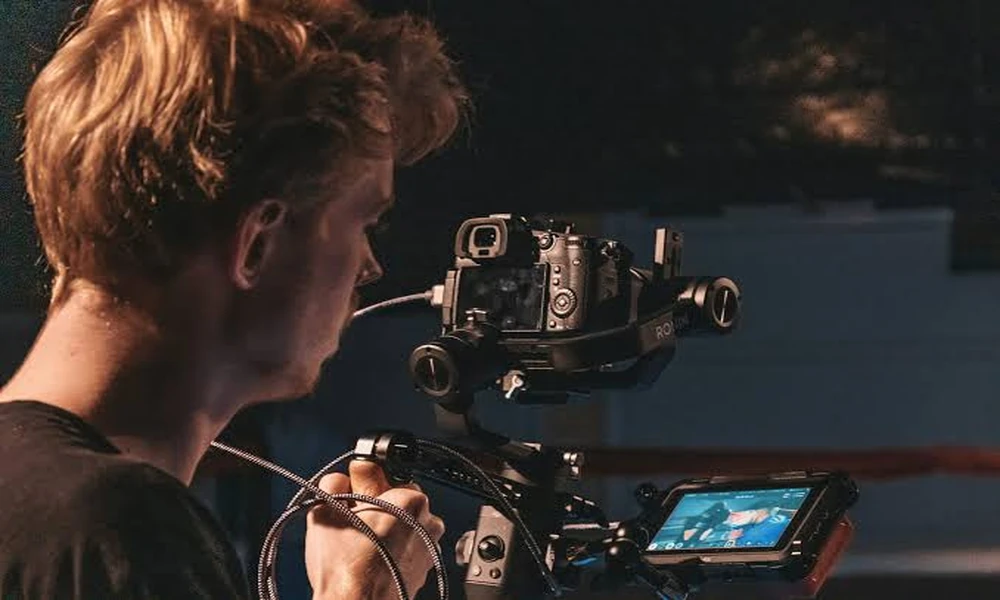
Modern filmmaking has changed significantly as digital technology becomes a larger part of the creative process. Cameras, editing platforms, animation software, virtual production systems, and other digital tools allow filmmakers to develop ideas with greater flexibility. These technologies can support different stages of production, from early concepts and planning to post-production. As these tools become more accessible, filmmakers can experiment with visual styles, storytelling techniques, and production methods that may have previously required substantial resources.
How Technology Is Supporting Creative Storytelling
Technology can give filmmakers new ways to shape stories and communicate ideas visually. An AI movie can incorporate artificial intelligence into parts of the creative or production process, while still relying on human decisions about characters, themes, pacing, and narrative direction. Digital storyboarding, virtual cameras, editing applications, and computer-generated imagery can help creative teams test ideas before committing to final production. This flexibility can make it easier to refine scenes, compare different approaches, and develop a stronger visual language for a project.
The Role of Artificial Intelligence in Film Production
Artificial intelligence is becoming relevant to several areas of film production. Depending on the tools being used, AI can assist with tasks such as concept development, script analysis, previsualisation, image generation, editing support, and production planning. These applications can reduce the time spent on certain repetitive processes and allow creative teams to focus more attention on decisions that require human judgment. AI can also help filmmakers experiment with concepts quickly, making it possible to explore multiple visual or narrative possibilities during development.
Visual Effects, Characters, and Digital Environments
Advances in visual effects have expanded the ways filmmakers can create characters, locations, and environments. Computer-generated imagery can construct settings that would be difficult, expensive, or impossible to film physically. Digital environments can also be combined with real locations and practical performances to create convincing scenes. Character design can benefit from similar techniques, allowing filmmakers to develop distinctive appearances and visual elements that support a story’s tone. These technologies provide creative options without necessarily replacing traditional filmmaking methods.
Balancing Technology With Human Creativity
Despite rapid technological development, storytelling remains central to filmmaking. Technology can provide tools, but filmmakers still determine what a story should communicate and how audiences should experience it. Decisions involving character development, emotional direction, dialogue, performances, cinematography, and pacing require creative judgment. A balanced approach allows technology to support artistic ideas rather than dictate them. Human creativity can guide the use of digital tools so that technical possibilities remain connected to the purpose of the story.
What New Filmmaking Tools Could Mean for Future Audiences
New filmmaking technologies may continue to influence how audiences experience entertainment. More immersive environments, sophisticated visual effects, interactive elements, and digitally created content could offer different ways to engage with stories. At the same time, audiences are likely to continue valuing compelling characters, meaningful themes, and emotional storytelling. As filmmaking tools evolve, the most significant possibilities may come from combining technological experimentation with the creative instincts of filmmakers. This relationship can help shape new forms of visual storytelling while keeping the human side of cinema at the centre.