


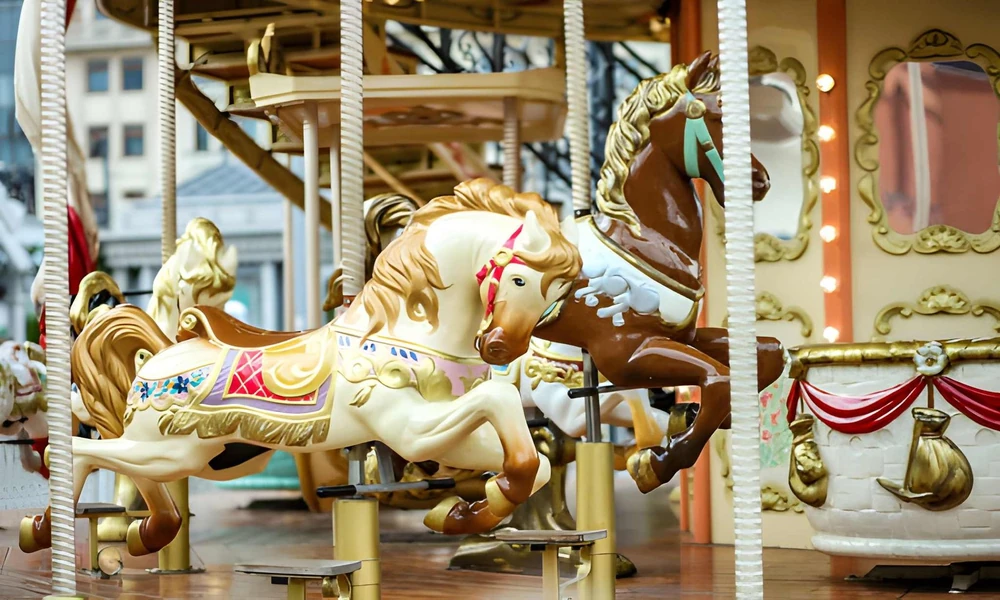


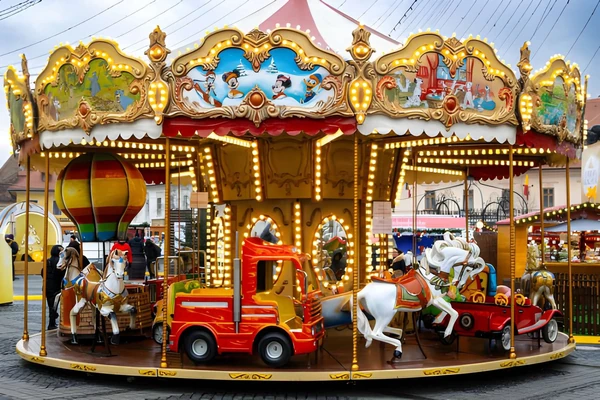
There is just something timeless about a classic carousel. The warm glow of vintage bulbs, lively calliope music, and ornate painted horses spinning by – it pulls on childhood nostalgia like almost nothing else. For mall managers and venue owners, the appeal is obvious.
You envision buzzing crowds and endless photo ops. But actually, putting a multi-ton mechanical ride into a commercial property? That takes serious planning, not just wishful thinking.
Bringing in proven retail center attractions can dramatically energize foot traffic, turning routine retail errands into full-day family outings. Based in Long Beach, Heritage Amusements specializes in turnkey family entertainment solutions, managing top-tier carousels inside premier shopping properties. Before signing off on that gleaming spinning ride, walk through these seven make-or-break factors:
1. Spatial Footprint and Ceiling Clearances
Carousels eat up serious floor area, but vertical clearance is where buyers often get caught flat-footed.
- You need generous headroom above the decorative canopy for air circulation, maintenance access, and fire sprinkler clearance.
- Do not forget the perimeter zone, stroller parking, ticket queues, and safety railings take up just as much real estate as the carousel platform itself.
2. Floor Load-Bearing Capacity
A commercial carousel loaded with riders, motors, and heavy steel framing weighs thousands of pounds. If you plan to set one up inside an indoor shopping complex, a structural engineer must inspect the flooring first. Can the subfloor handle that dynamic, rotating weight day in and day out?
3. Prime Placement and Line of Sight
Tucking a ride away in a dead-end hallway is a recipe for failure. Carousels need to be visible landmarks.
- Position the deck right in high-density areas: central atriums, busy food courts, or right next to family-oriented stores.
- The visual spectacle and happy music should pull parents in from across the concourse.
4. Dedicated Electrical Infrastructure
This is not something you plug into a standard wall outlet. Commercial carousels run on heavy-duty industrial electric motors, dedicated audio soundboards, and hundreds of LED lamps. Upgrading electrical panels after delivery can blow your budget out of the water.
5. Stringent Safety Codes and Permits
Operating commercial rides means strict safety compliance.
- You must follow local municipal codes, ASTM amusement safety standards, daily inspection routines, and rigorous emergency shutoff protocols.
- Comprehensive liability insurance and certified ride operators are non-negotiable must-haves before that first ticket sells.
6. Real Ongoing Operating Overhead
The purchase price is only part of the story. You have to budget for routine mechanical servicing, spare gearbox parts, daily wipe-downs, sanitization, ticketing systems, and staffing wages. Keeping the machinery running smoothly requires steady upkeep.
7. Long-Term Maintenance Planning
Amusement hardware faces constant wear and tear. Having direct access to replacement parts, certified technicians, and regular lubrication schedules ensures the attraction runs safely without unexpected downtime ruining peak holiday weekends.
Adding a carousel can turn an ordinary commercial floor into a vibrant community anchor. Do the ground research early, map out your structural and operational costs, and you will set your venue up for years of steady family smiles and strong returns.